Planning your first trip to Tokyo can feel overwhelming—the city is huge, fast-paced, and full of possibilities. This practical guide introduces seven must-see areas where international visitors can experience both traditional Japan and modern Tokyo.
1. Asakusa and Senso-ji Temple
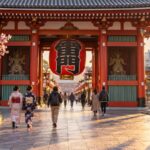
Start in Asakusa, one of Tokyo’s best-known historic districts. Walk through Kaminarimon Gate, browse the shops along Nakamise Street, and visit Senso-ji. Arriving early in the morning makes it easier to enjoy the atmosphere before the busiest hours.
2. Tokyo Skytree and the Sumida Area
Tokyo Skytree offers panoramic views across the city. On a clear day, you may even see Mount Fuji. The surrounding Sumida neighborhood is also pleasant for riverside walks and gives visitors a different perspective from central Tokyo.
3. Shibuya Crossing
Shibuya is a symbol of modern Tokyo. Experience the famous scramble crossing, explore the area’s fashion and food, and enjoy the evening city lights. The neighborhood is especially lively after sunset.
4. Meiji Jingu and Harajuku
Meiji Jingu sits in a large, peaceful forest near Harajuku Station. After visiting the shrine, walk to Takeshita Street or Omotesando to see two contrasting sides of Tokyo fashion and culture.
5. Shinjuku
Shinjuku combines skyscrapers, department stores, entertainment streets, and small restaurants. The Tokyo Metropolitan Government Building is a popular place for city views, while the quieter Shinjuku Gyoen area provides a welcome break from the crowds.
6. Tsukiji Outer Market and Ginza
Visit the Tsukiji Outer Market in the morning for seafood, tamagoyaki, and other Japanese specialties. From there, Ginza is within easy reach for shopping, cafés, architecture, and traditional department stores.
7. Ueno and Akihabara
Ueno is home to museums, a large park, and the energetic Ameyoko shopping street. Nearby Akihabara is famous for electronics, anime, manga, and gaming culture. Combining both areas creates a varied half-day itinerary.
A Simple Two-Day Tokyo Plan
Day 1: Asakusa → Tokyo Skytree → Ueno → Akihabara
Day 2: Meiji Jingu → Harajuku → Shibuya → Shinjuku
Useful Tips for International Visitors
- Use a rechargeable IC card such as Suica or PASMO for convenient train and subway travel.
- Avoid weekday rush hours when possible, especially around 7:30–9:30 a.m. and 5:00–7:00 p.m.
- Carry a small amount of cash, although card and contactless payments are widely accepted.
- Keep noise low on trains and queue in the marked lines on platforms.
- In August, Tokyo is hot and humid. Carry water, take indoor breaks, and protect yourself from the sun.
Conclusion
Tokyo rewards visitors who mix famous landmarks with slower neighborhood walks. Begin with these seven areas, allow extra time for food and unexpected discoveries, and you will experience the city’s unique balance of tradition, creativity, and everyday life.
Opening hours, admission rules, and transport services may change. Check official websites before visiting.